Botox is a popular treatment in cosmetology. Many people use Botox to reduce wrinkles and fine lines. However, Botox is also used for several medical conditions. In this blog, you will learn what Botox is, its uses, benefits, risks, and what to expect during a procedure. We will also answer common questions and share safety tips.
What is Botox?
Botox is a medicine made from a toxin called botulinum toxin. Doctors use it in very small amounts. When injected, Botox blocks nerve signals to certain muscles. As a result, these muscles relax. This effect helps smooth out wrinkles and treat some medical problems. Although it is a toxin, Botox is safe when used by trained professionals.
Common Uses of Botox
Botox is well known for its cosmetic uses. However, it also helps with several medical issues. Here are some common uses:
Benefits of Botox
Botox offers several advantages, especially for cosmetic purposes. For example, it provides quick results with little downtime. Many people notice smoother skin within days. In addition, Botox is a non-surgical option, so there are no scars. The procedure is fast and usually takes less than 30 minutes. Most people can return to daily activities right away. Because results are temporary, you can adjust your treatment as needed.
Risks and Side Effects
Although Botox is safe for most people, it does have some risks. Side effects are usually mild and go away on their own. However, it is important to know what to watch for. Possible side effects include:
Rarely, Botox can cause serious problems like trouble breathing or swallowing. Always tell your doctor if you have any health concerns. According to the U.S. Food and Drug Administration (FDA), Botox should only be given by trained professionals.
What to Expect During a Botox Procedure
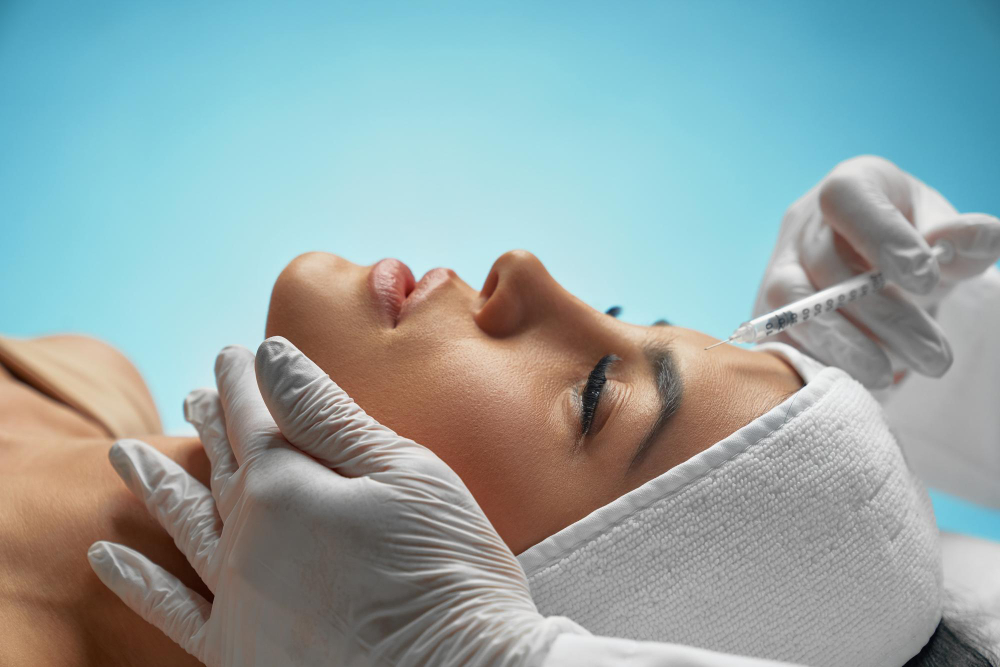
Before your Botox treatment, your provider will review your medical history. They may ask about allergies or past reactions. During the procedure, a fine needle is used to inject small amounts of Botox into specific muscles. The process is quick and causes only mild discomfort. After the treatment, you can usually return to normal activities. However, avoid rubbing the treated area for at least 24 hours. Your provider may give you special aftercare instructions. Results usually appear within three to seven days and last three to six months.
Who Should Avoid Botox?
Some people should not get Botox. You should avoid Botox if you:
Always discuss your health history with your provider before treatment.
Frequently Asked Questions About Botox
Prevention and Safety Tips
To stay safe, always choose a certified and experienced provider. Here are some tips:
According to the Centers for Disease Control and Prevention (CDC), using licensed professionals reduces the risk of complications.
Conclusion
In summary, Botox is a safe and effective treatment for many cosmetic and medical concerns. It offers quick results with little downtime. However, it is important to know the risks and choose a qualified provider. Consult a certified cosmetologist or healthcare provider for personalized advice about Botox.