What is Rhinoplasty?
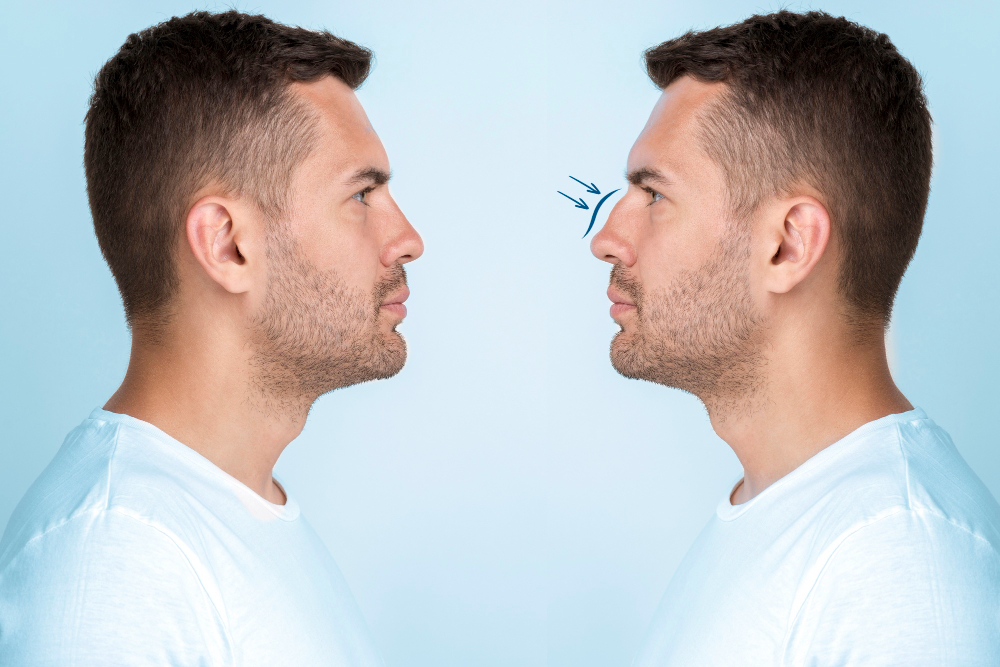
Rhinoplasty, often called nose reshaping surgery, changes the shape or size of your nose. Many people choose rhinoplasty to improve their appearance. Others may need it to fix breathing problems. In fact, rhinoplasty is one of the most common cosmetic surgeries worldwide. According to the American Society of Plastic Surgeons, thousands of people have this procedure each year. Whether you want a smaller nose or need to correct an injury, rhinoplasty can help.
Common Reasons for Rhinoplasty
People seek rhinoplasty for many reasons. Sometimes, it is for cosmetic changes. Other times, it is for medical needs. Here are some common reasons:
Additionally, some people want rhinoplasty to boost self-confidence. No matter the reason, it is important to have clear goals.
Who is a Good Candidate?
Not everyone is a good candidate for rhinoplasty. However, many healthy adults and teens can consider this surgery. You may be a good candidate if you:
Before surgery, your doctor will review your medical history. They will also discuss your goals and check your nose structure.
How is Rhinoplasty Performed?
Rhinoplasty is usually done in a hospital or surgery center. First, you will get anesthesia to keep you comfortable. Next, the surgeon makes small cuts inside or outside the nose. Then, they reshape the bone and cartilage as needed. Sometimes, tissue or implants are added for support. Finally, the surgeon closes the cuts and places a splint to protect your nose.
Most rhinoplasty surgeries take one to three hours. However, complex cases may take longer. After surgery, you will rest in a recovery area before going home.
Recovery and Aftercare
After rhinoplasty, you will need time to heal. At first, you may have swelling, bruising, or mild pain. However, these symptoms usually improve within a week or two. To help your recovery:
Most people return to work or school in about one to two weeks. However, it may take several months for swelling to fully go away. The final shape of your nose will appear after about one year.
Risks and Possible Complications
Like any surgery, rhinoplasty has risks. While most people recover well, some may have complications. Possible risks include:
However, choosing a skilled surgeon can lower your risk. Always discuss risks and benefits with your doctor before surgery. (Source: American Society of Plastic Surgeons)
Tips for Choosing a Qualified Surgeon
Choosing the right surgeon is very important for a safe and successful rhinoplasty. Here are some tips:
Additionally, you can ask your primary care doctor for recommendations. Always take your time before making a decision.
Frequently Asked Questions
Prevention and Lifestyle Guidance
While you cannot always prevent the need for rhinoplasty, you can protect your nose from injury. For example, wear seat belts and use proper sports gear. Additionally, avoid smoking before and after surgery, as it can slow healing. Eating a healthy diet and following your doctor’s advice will also help your recovery.
In summary, rhinoplasty can improve both appearance and function. However, it is important to have clear goals and choose a skilled surgeon. If you are thinking about nose reshaping surgery, consult a board-certified cosmetic surgeon for personalized advice about rhinoplasty.