
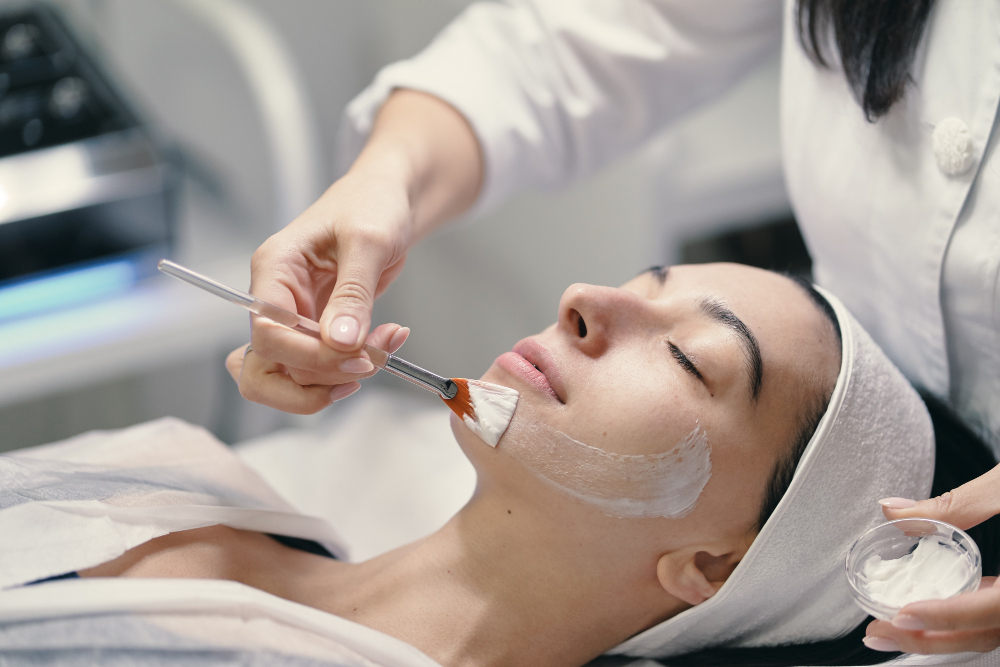
What Is Chemical Peeling?
Chemical peeling is a skin treatment that uses special solutions to remove the top layers of skin. This process helps reveal smoother, fresher skin underneath. Many people choose chemical peeling to treat acne scars, wrinkles, or uneven skin tone. According to the American Academy of Dermatology, chemical peels are safe when performed by trained professionals. Because the treatment is popular, you may have heard about it as a way to improve skin health.
Benefits of Chemical Peeling
Chemical peeling offers several benefits for your skin. For example, it can:
Additionally, many people notice smoother and brighter skin after the treatment. For those with mild scars or uneven color, chemical peeling can make a big difference. However, results may vary from person to person.
Types of Chemical Peels
There are three main types of chemical peels. Each type works at a different depth in the skin. Let’s look at them:
Because each type has different effects, your dermatologist will help you choose the best one for your needs.
The Chemical Peeling Procedure: What to Expect
Before the procedure, your doctor will clean your skin. Sometimes, they may apply a numbing cream. Next, the chemical solution is spread over your skin. You may feel tingling or mild burning, but this usually lasts only a few minutes. After a set time, the doctor will remove or neutralize the solution. The whole process often takes less than an hour. For deeper peels, you may need more time and special care.
Who Is a Good Candidate?
Not everyone is a good fit for chemical peeling. You may be a good candidate if you:
However, people with darker skin can also benefit, but there is a higher risk of uneven skin color. Always talk to a certified dermatologist before starting treatment. They will check your skin and discuss your goals.
Risks and Possible Side Effects
While chemical peeling is generally safe, there are some risks. Common side effects include:
Most side effects are mild and go away within a week or two. However, deep peels have a higher risk of lasting changes. According to the U.S. Food and Drug Administration (FDA), following aftercare instructions can help lower these risks.
Aftercare and Recovery Tips
Proper aftercare is important for safe chemical peeling and fast healing. Here are some helpful chemical peel recovery tips:
Because your skin will be sensitive, gentle care is key. If you notice signs of infection, such as pus or severe pain, contact your doctor right away.
Prevention of Complications
To prevent problems after chemical peeling, always choose a certified dermatologist. Before the procedure, tell your doctor about any health issues or medicines you take. After the peel, follow all aftercare steps closely. Additionally, avoid sun exposure and use sunscreen every day. This helps protect your new skin and lowers the risk of dark spots or scarring. With the right care, most people recover well and enjoy healthy, glowing skin.
In summary, chemical peeling can improve your skin’s look and feel. However, it is important to understand the benefits, risks, and aftercare. Consult a certified dermatologist to find out if chemical peeling is right for you.